
WE HELP HOMEOWNERS AND BUILDERS MAKE THE RIGHT EARLY DECISIONS.
From feasibility through permitting, Elevare Studio provides clear architectural guidance for projects where early choices shape cost, approvals, and long-term outcomes.
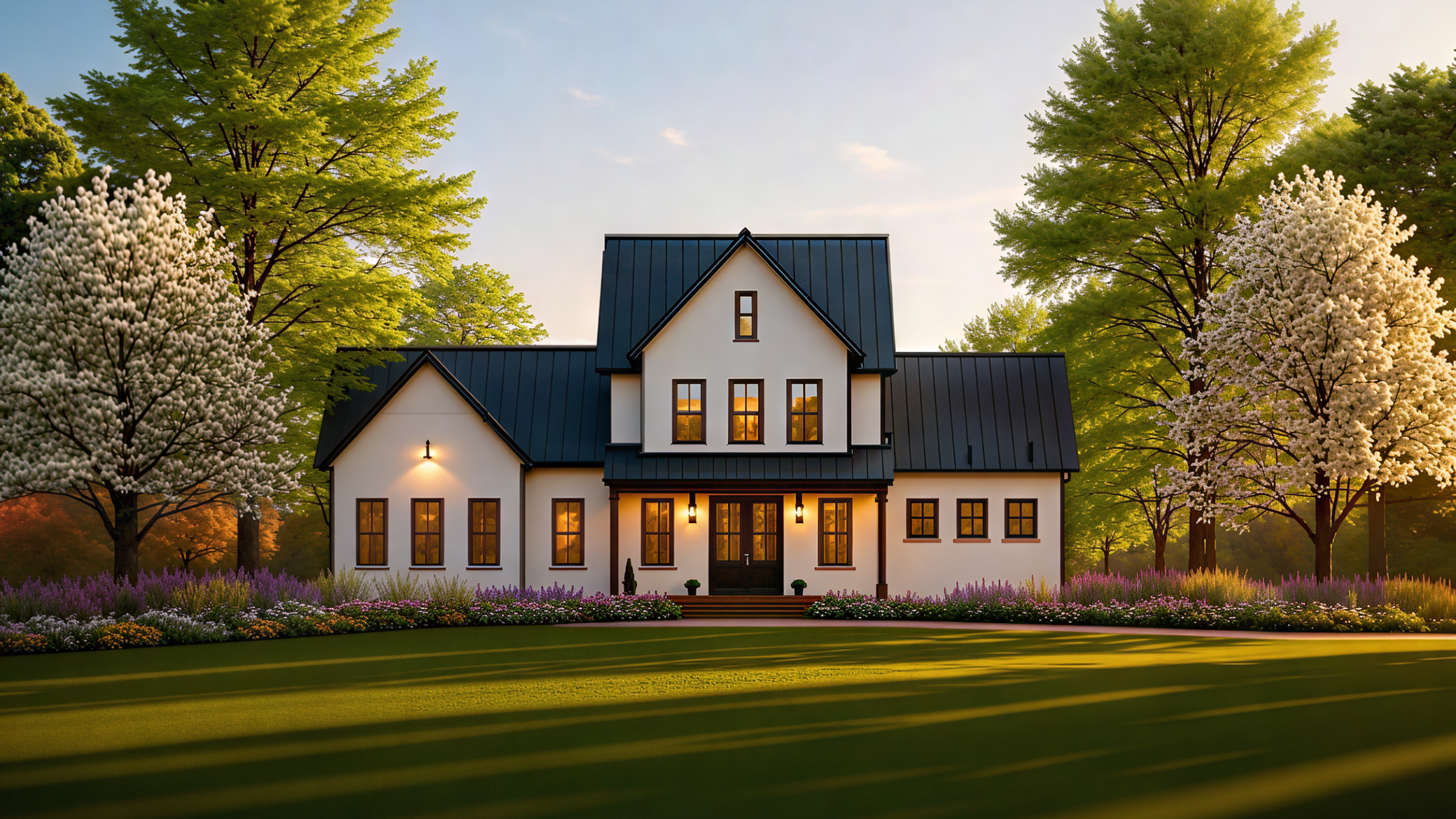
Design by Elevare Studio. Rendering created with AI-assisted visualization tools.
Elevare Studio helps homeowners and builders make the right early decisions on residential projects where the stakes are real.
Led by Mariel Heredia, AIA, CAPS, the firm brings more than 15 years of experience guiding complex residential work, from custom homes and renovations to large-scale builder-led projects.
Our work is builder-aware and code-fluent, grounded in how projects are actually reviewed, permitted, and built. We focus on livability, constructibility, and real-world constraints so design decisions hold up beyond the drawings.
Whether you’re building, renovating, or investing, the objective is the same: address the hard questions early, reduce uncertainty, and move forward with clarity—through permitting, construction, and daily life.
We work best with clients who value clarity, respect process, and want experienced guidance through consequential decisions.
WHAT ELEVARE DOES

OUR SERVICES
DESIGN & PERMITTING
-
Architect-led design for custom homes, focused on smart layouts, permitting strategy, and long-term value—so decisions are right before construction begins.
-
Strategic redesigns that improve flow, functionality, and daily living while keeping scope, budget, and resale in mind.
-
Well-integrated expansions that solve space constraints and zoning challenges without compromising the original home or future value.
-
Elevare Studio provides focused architectural support for select tenant fit-out projects, primarily medical and professional office interiors, where permitting clarity and early coordination are critical. Services emphasize space planning, code and accessibility compliance, and permit-ready documentation within existing buildings. This work is intentionally limited to projects aligned with Elevare’s expertise in disciplined decision-making, regulatory navigation, and efficient approvals.
Design and permitting leadership for new homes, major renovations, additions, and select tenant fit-out projects where early decisions shape approvals, cost, and long-term performance.
Best suited for: clients navigating zoning, approvals, or complex site constraints.
MULTI-UNIT RESIDENTIAL PROJECTS
-
Townhome projects require careful coordination of zoning, massing, access, and unit repetition.
We provide design and permitting support focused on:
zoning-compliant massing and unit layout
streetscape and frontage considerations
repeatable plans that hold up through review
This work emphasizes clarity and approval readiness, particularly in jurisdictions with design review or neighborhood compatibility standards.
-
Duplex projects involve both single-family design considerations and multi-unit regulations.
Our role is to help clarify:
zoning allowances and constraints
unit configuration and separation
massing strategies that support approval
The goal is a well-considered design that fits its context and moves cleanly through permitting.
-
Triplex projects can introduce complexity in zoning interpretation, life-safety requirements, and neighborhood review.
We focus on:
zoning-aware layout strategies
massing that aligns with local intent
documentation that supports clear review
This service is well suited for clients navigating moderate density increases on constrained sites.
-
Quadplex projects often involve the highest level of scrutiny among small multi-unit residential work.
Our approach emphasizes:
careful zoning and use analysis
efficient but compliant unit organization
approval-ready documentation
We help clients understand both the opportunities and limits of increased residential density before moving forward.
Design and permitting support for townhomes, duplexes, triplexes, and quadplexes, with a focus on zoning-aware layouts and approval-ready documentation.
Best suited for: developers and investors pursuing thoughtful, code-compliant residential density.

PRE-DESIGN STRATEGY & FEASIBILITY
-
This service supports early, high-impact decisions—before design work or construction commitments begin.
We help clarify:
What can realistically be built on a site
Where zoning, setbacks, or approvals may limit options
How massing, layout, and program choices affect feasibility
Whether a project is worth pursuing as planned
This engagement typically includes:
High-level zoning and code review
Preliminary massing and layout direction
Identification of key risks, constraints, and opportunities
Clear next steps for design, approvals, or due diligence
Early-stage analysis to clarify what’s possible, what’s risky, and what’s worth pursuing—before design or construction begins.
This work focuses on zoning reality, massing constraints, and high-level design direction.
Best suited for: clients evaluating a site, purchase, or major investment decision.
FAQs
-
It depends on the complexity, goals, and long-term value of your project. A drafter can document a solution you already know you want. An architect helps you define the right solution—considering layout, structure, zoning, budget, approvals, and resale value—before it’s drawn. If decisions impact cost, permitting, or how the home lives and performs, working with an architect can save time and money long term.
-
Schematic design focuses on big-picture decisions: layout, massing, flow, and feasibility. This is where we test ideas, solve constraints, and align the design with budget and goals.
Permit drawings come later and translate the approved design into technical documents required for county review and construction. Think of schematic design as deciding what to build, and permit drawings as documenting how to build it. -
Yes. I regularly collaborate with builders, design-build firms, and contractors and am comfortable joining an existing team. If you don’t have a builder yet, I can recommend professionals based on project type, location, and experience. Clear coordination between architect and builder is key to protecting budget and reducing surprises during construction.
-
Budget protection starts early. I focus on clear scope definition, realistic layouts, and constructible details before drawings go to permit. Early coordination with builders, engineers, and local requirements helps avoid redesigns later. During design, decisions are made with cost awareness—not over-designing where it doesn’t add value—so changes in the field are minimized.
-
Elevare Studio primarily serves Northern Virginia, including Loudoun, Fairfax, Prince William, Arlington, and surrounding counties. I also work on select projects elsewhere in Virginia depending on scope and fit. If you’re unsure whether your location works, a quick discovery call can clarify.
-
For projects outside my immediate area, site visits are scheduled strategically at key milestones rather than frequently. Many phases can be handled remotely using photos, video walkthroughs, and coordination with your builder or surveyor. When in-person visits are needed, they are planned efficiently and clearly outlined in the proposal.
-
Yes. Renovations and additions are a core part of my work. These projects often require careful problem-solving—working within existing structures, zoning limits, and lived-in homes. I help clients rethink layouts, improve flow, and make strategic upgrades that support both daily living and long-term value.
-
Timelines vary by project complexity and jurisdiction, but a typical path looks like this:
Initial consultation & proposal
Schematic design (4–8 weeks)
Design development & coordination (4–6 weeks)
Permit drawings & submission (4–6 weeks)
Approvals depend on the county and any ARB or zoning reviews required. I provide realistic timelines upfront and keep clients informed as the project progresses.